
Sea Moss and Spirulina Benefits: Sea Moss vs Spirulina Key Differences
- Mossiah's Brand Essential
- Apr 15
- 4 min read
When it comes to natural wellness, two superfoods often steal the spotlight: sea moss and spirulina. Both are celebrated for their impressive nutrient profiles and health-boosting properties. But if you’re wondering which one suits your lifestyle best, or if you can benefit from both, you’re in the right place. Let’s dive into the world of these oceanic wonders and explore their unique qualities, benefits, and how they compare.
What Are Sea Moss and Spirulina?
Before we get into the nitty-gritty, it’s helpful to understand what sea moss and spirulina actually are. Sea moss, also known as Irish moss, is a type of red algae that grows along the rocky coasts of the Atlantic. It’s been used for centuries in traditional medicine and cooking, prized for its thickening properties and rich mineral content.
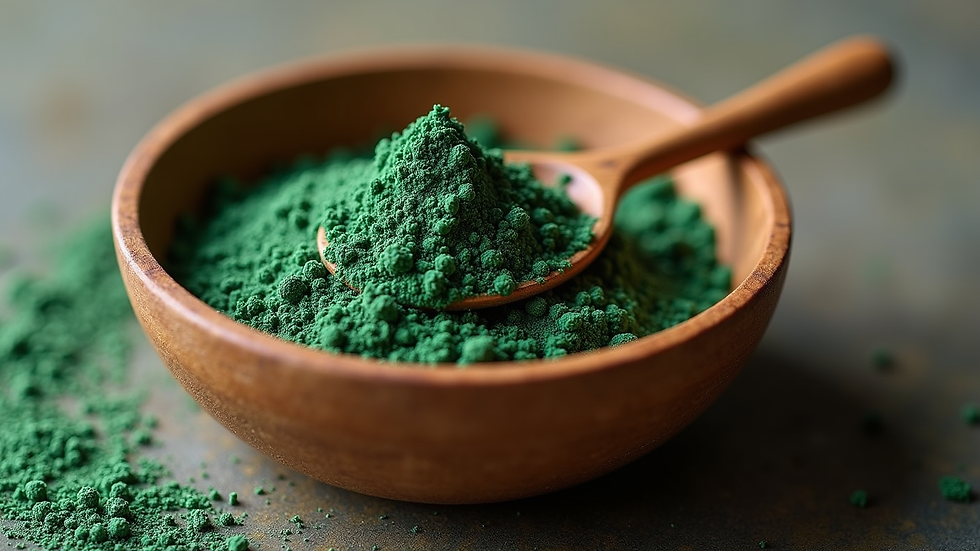
Spirulina, on the other hand, is a blue-green algae that thrives in both fresh and saltwater. It’s a microscopic organism packed with protein, vitamins, and antioxidants. Spirulina has gained popularity as a dietary supplement, especially among those looking for plant-based protein sources.
Both come from the sea, but their forms, textures, and nutrient profiles differ quite a bit.

Sea Moss and Spirulina Benefits: What Makes Them Special?
Both sea moss and spirulina offer a treasure trove of nutrients, but they shine in different areas. Here’s a friendly breakdown of their benefits to help you see what each brings to the table:
Sea Moss Benefits
Rich in minerals: Sea moss contains 92 of the 102 minerals your body needs, including iodine, calcium, potassium, and magnesium.
Supports thyroid health: Thanks to its iodine content, sea moss helps maintain healthy thyroid function.
Boosts immunity: It contains vitamins A, C, and E, which support your immune system.
Promotes digestion: Sea moss acts as a prebiotic, feeding the good bacteria in your gut.
Hydrates skin: Its moisturizing properties make it a popular ingredient in skincare.
Spirulina Benefits
High in protein: Spirulina is about 60-70% protein by weight, making it an excellent plant-based protein source.
Packed with antioxidants: It contains phycocyanin, a powerful antioxidant that fights inflammation.
Supports energy levels: Spirulina’s B vitamins and iron content help boost your energy naturally.
Detoxifies heavy metals: Spirulina can bind to heavy metals and help remove them from your body.
Enhances muscle strength: Some studies suggest spirulina improves endurance and muscle recovery.
Both superfoods are nutrient-dense, but their benefits cater to slightly different health goals. Whether you want to support your thyroid, boost your protein intake, or enhance your skin’s glow, there’s something here for you.
Can I Take Sea Moss and Spirulina Together?
This is a question I get asked often, and the answer is yes! You can absolutely take sea moss and spirulina together. In fact, combining them can create a powerful synergy that maximizes their individual benefits.
Here’s why mixing these two can be a great idea:
Complementary nutrients: Sea moss is mineral-rich, while spirulina is protein-packed. Together, they offer a more complete nutritional profile.
Enhanced detoxification: Both have detoxifying properties, so combining them can support your body’s natural cleansing processes.
Boosted immunity and energy: The vitamins and antioxidants from both can help strengthen your immune system and increase vitality.
Versatile usage: You can add sea moss gel and spirulina powder to smoothies, juices, or even soups for a nutrient boost.
Just remember to start with small amounts to see how your body reacts, especially if you’re new to these supplements. And as always, consult with a healthcare professional if you have any underlying health conditions or concerns.
How Do Sea Moss and Spirulina Differ?
Now, let’s get to the heart of the matter - the key differences between sea moss and spirulina. Understanding these distinctions will help you make an informed choice based on your personal health needs.
Appearance and Texture
Sea Moss: Usually sold dried or as a gel, sea moss has a soft, jelly-like texture when soaked and prepared.
Spirulina: Typically available as a fine powder or tablets, spirulina has a deep green-blue color and a slightly earthy taste.
Nutrient Composition
Sea Moss: Rich in minerals like iodine, calcium, and potassium, but lower in protein.
Spirulina: High in protein and B vitamins, with potent antioxidants like phycocyanin.
Taste and Culinary Uses
Sea Moss: Mild and slightly salty, it’s often used as a thickener in smoothies, desserts, and soups.
Spirulina: Has a stronger, more distinct flavor that some describe as grassy or seaweed-like, best masked in smoothies or juices.
Health Focus
Sea Moss: Great for mineral replenishment, thyroid support, and skin hydration.
Spirulina: Ideal for boosting protein intake, fighting inflammation, and enhancing energy.
If you want a quick visual guide, think of sea moss as the mineral-rich ocean treasure and spirulina as the protein-packed algae powerhouse.
For a detailed sea moss vs spirulina comparison, you can explore more about their unique qualities and how they fit into your wellness routine.
How to Incorporate Sea Moss and Spirulina Into Your Daily Routine
Adding these superfoods to your diet doesn’t have to be complicated. Here are some simple, practical ways to enjoy their benefits every day:
Smoothies: Blend sea moss gel and spirulina powder with your favorite fruits and veggies for a nutrient-packed drink.
Juices: Stir spirulina into fresh fruit or vegetable juices for an antioxidant boost.
Soups and Stews: Use sea moss gel as a natural thickener in soups, adding minerals and texture.
Homemade Face Masks: Mix sea moss gel with honey or aloe vera for a hydrating skin treatment.
Energy Balls: Combine spirulina powder with nuts, dates, and coconut to make healthy snacks.
Start with about 1 teaspoon of sea moss gel and 1/2 teaspoon of spirulina powder daily, then adjust based on how you feel. Consistency is key to experiencing their full benefits.
Embracing Natural Wellness with Sea Moss and Spirulina
Choosing between sea moss and spirulina doesn’t have to be an either-or decision. Both offer unique gifts from the sea that can nourish your body and support your health journey. Whether you’re looking to boost your minerals, increase your protein, or simply add more natural goodness to your diet, these superfoods are wonderful allies.
Remember, the best approach is one that fits your lifestyle and feels good to you. Experiment, listen to your body, and enjoy the vibrant energy that comes from embracing nature’s finest.
Here’s to your health and happiness with sea moss and spirulina by your side!


Comments